
Strength Coaching for hypermobile bodies that need a smarter approach
I help you build resilience, longevity and function in your body, so that you can go and do all the things you dream about doing without worrying about having to start over.
I work with hypermobile people to figure out what’s actually driving their pain, build a strong and stable foundation, and train for a body that lasts.
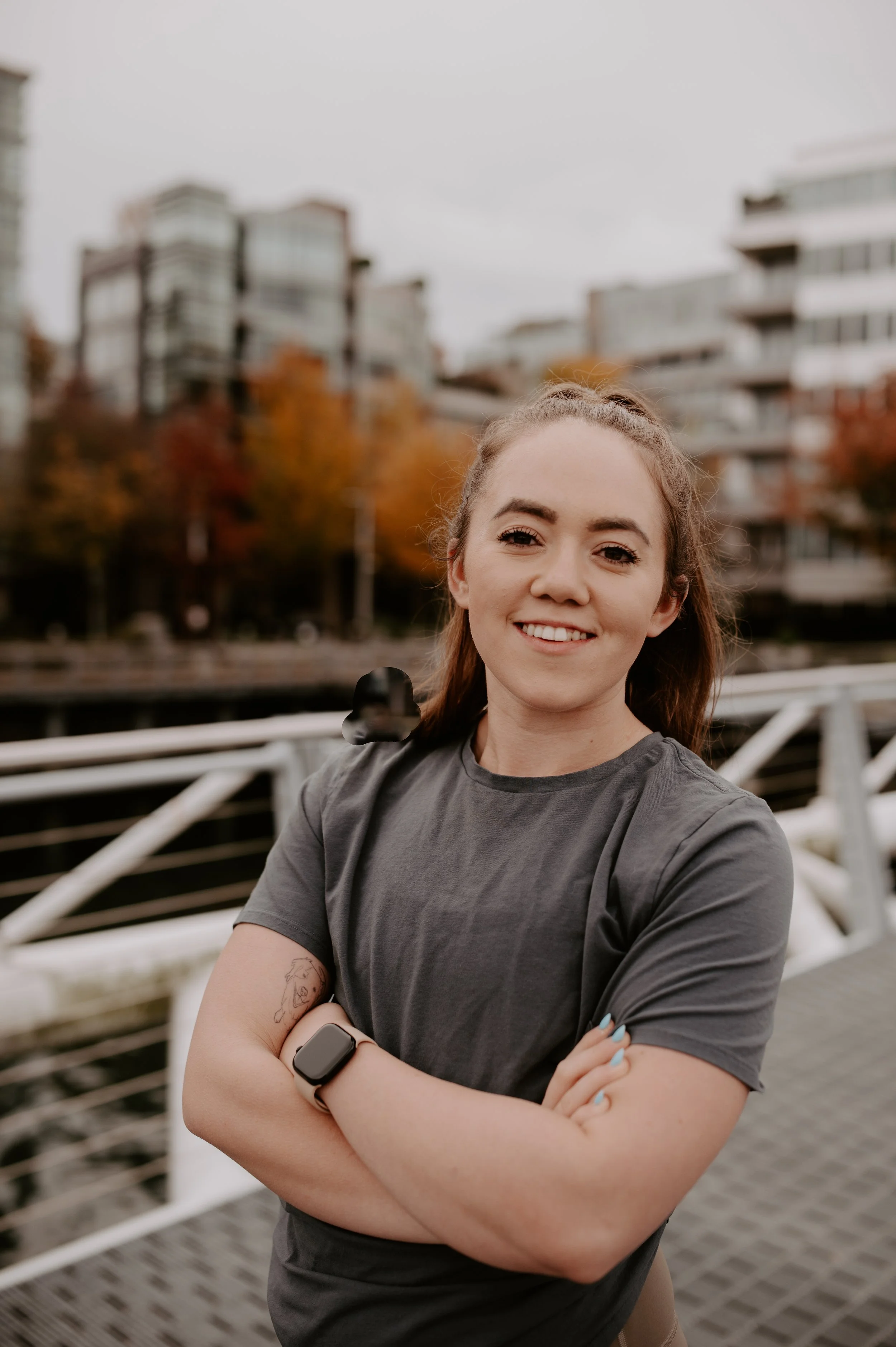
I F T H I S S O U N D S F A M I L I A R
You’re in the right place
People tell me the same things on our first call. That when they’re in pain, they’re not the person they want to be. That they know they could lift more, but their joints won’t let them. That their body wants to run and climb, and they’re scared of what happens if they do. That somewhere along the way they started thinking, “okay, this is just my life.”
If you’re nodding along, you’re exactly who I built this for.
If you’re here, you probably understand that it’s more than sore joints. It’s saying ‘maybe’ to the hike instead of yes. It’s cutting the workout short, just in case. It’s the trip you planned around your body, the day you couldn’t keep up with your kids, and the quiet worry every time you try something new that this will be the thing that sets you back again.
Every time you get back into the gym, eventually you’re injured and have to start over. I’ve been there, and I know what this feels like. I don’t want you to be stuck in this place.
You want a training program that lets you go and do all the fun things in the gym. What you need is routines, habits, consistency, stability, doing the boring stuff, and understanding how your body actually works.
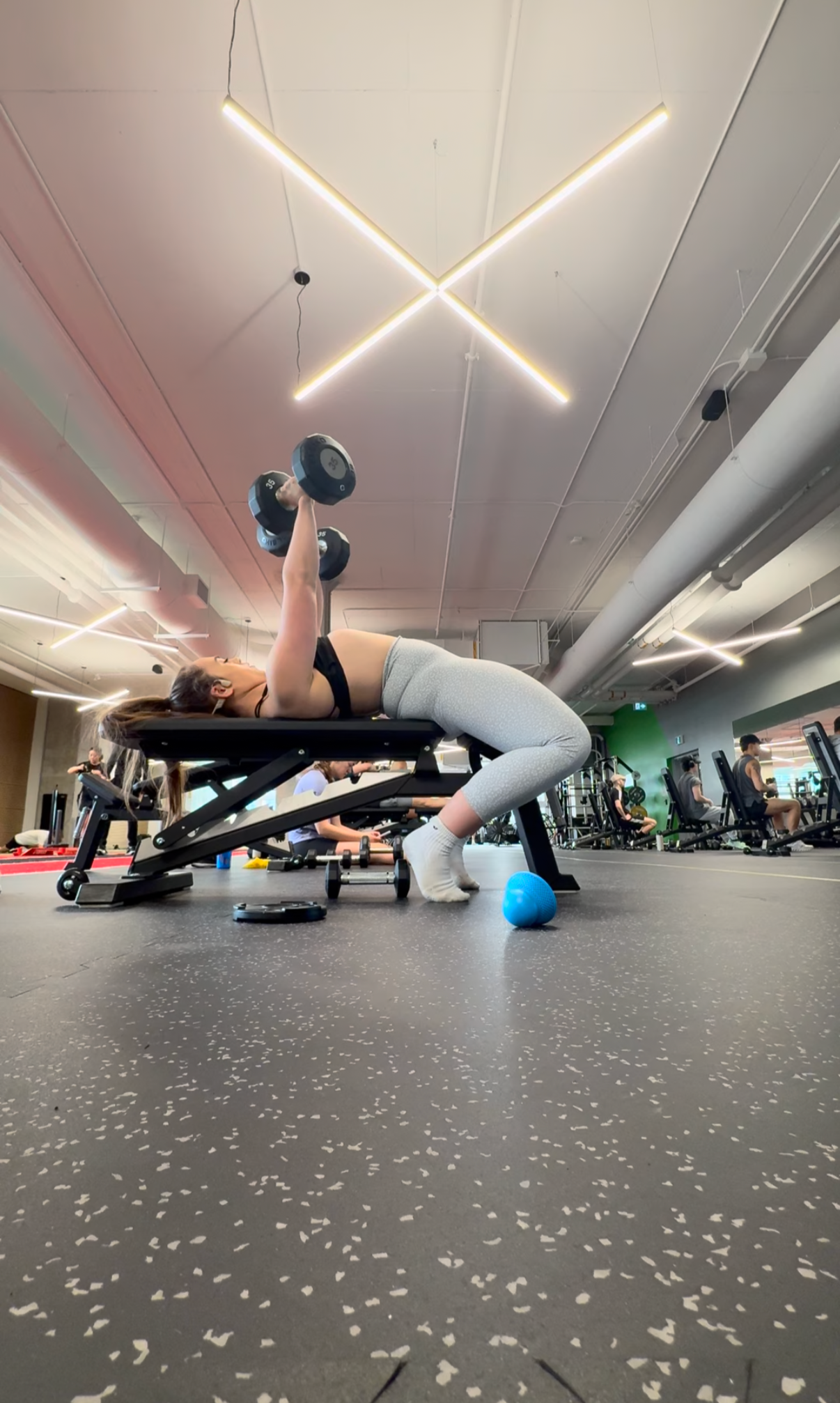
W H Y T H I S I S D I F F E R E N T
Physio gets you out of pain, then hands you back a body that's still weak.
Trainers get you working hard, but they don't understand lax joints, so you end up hurt again.
The industry doesn’t understand how to work with hypermobility.
Hypermobile bodies fall right into the gap between the two, and that gap is exactly where I work.
Here's what’s been missing:
Most approaches were built for a different body
You tried to rest. Rest calms a flare down, but it doesn't fix why it happened. After an injury your nervous system gets protective, and you start guarding and moving less without meaning to. Every time you rest and come back, you start from a weaker place, and the next tweak comes sooner.
You tried a program built for typical joints. When your ligaments are lax, your body becomes a master of disguise. It cheats a movement a thousand ways, hanging on a joint here, flaring a rib there, all while looking fine to the untrained eye. A generic program can't see that, so it loads the compensation instead of fixing it.
You tried stretching. Those tight muscles usually aren't short. They're working overtime to hold a loose joint together, and they'll tighten right back up until they're strong enough not to have to. Hypermobile people also tend to have a weaker sense of where their joints are in space, so the fix is control and strength, not more range.
You treated where it hurts, not why. Piriformis pain, a cranky knee, a nerve that flares every time you run. The sore spot is often doing someone else's job, and until the imbalance underneath is corrected, the pain keeps finding its way back.
“With hypermobility, pain typically isn’t an injury. Things are getting irritated. And when we use strength training to make things less irritating, you just don’t have as much pain.”
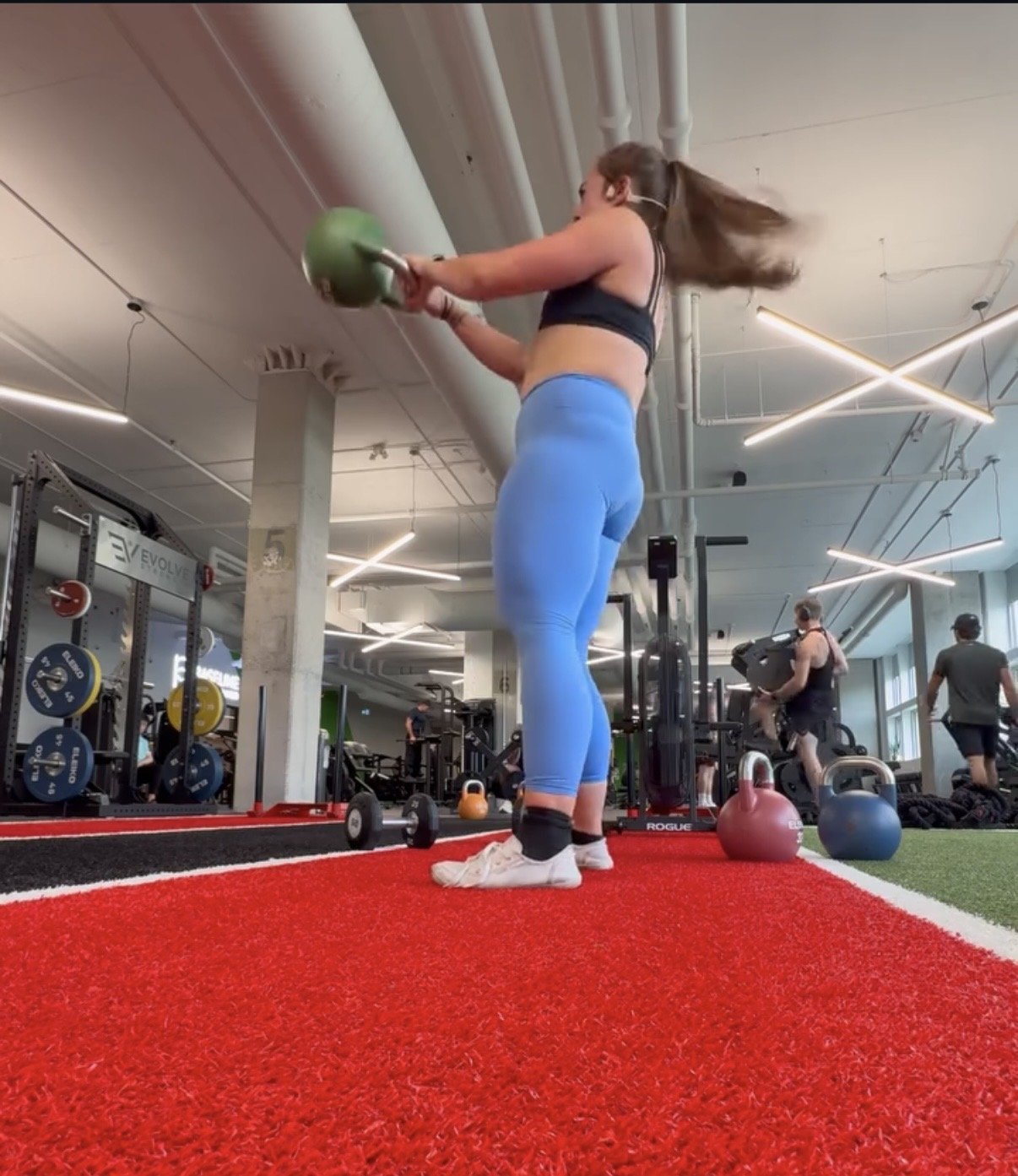
H O W I T W O R K S
What coaching with me actually looks like
01
We start with where you actually are
Full body mobility and stability assessment. We look at your pain, your patterns, what’s worked and what hasn’t, and what’s holding you back.
02
You get programming
built for your body
I build your program based on your goals, history, and intake, delivered through TrueCoach with videos, cues and load prescription for every movement. Using a combination of corrective exercise and strength training, we work to build your foundation, and then bulletproof it.
03
We work together to build habits, routines, and mindsets that help you be successful
I use coaching, lived experience and education to help you build habits, routines, and mindsets that help you work with your body, not against it. This is how we work together to address obstacles before you get stuck, build consistency, and overcome limiting mindsets.
04
We adjust and progress as your body responds
Regular check-ins and ongoing support means that your program moves with you, not against you. As your foundation gets solid, we move into strength and then power, progressing toward the things you want to do and adjusting as your body responds.
We do calls because education is really important to me, and so is connecting with you, building that relationship and having trust between us. I use Telegram so you have full support between calls and no questions are left unanswered.

M Y A P P R O A C H
A hypermobile body doesn’t need less movement.
It needs the right kind of movement.
My philosophy is helping you build a strong, resilient, bulletproof body that lets you go and do all the things you love and actually enjoy movement, without constantly worrying about injury or beating your body up. I program in phases, and you can’t skip ahead.
“I don’t offer quick results or fast fixes, because those are the things that keep people stuck.”
Foundation
Build the base
This feels a lot like physio. We start with breathing, getting your ribs and pelvis in the right position, and building the muscles that should be stabilizing your joints. Most people I work with are dumping their weight into their joints without realizing, and that’s when things get irritated. It’s the boring stuff, and it’s what gets you to the sexy stuff long term.
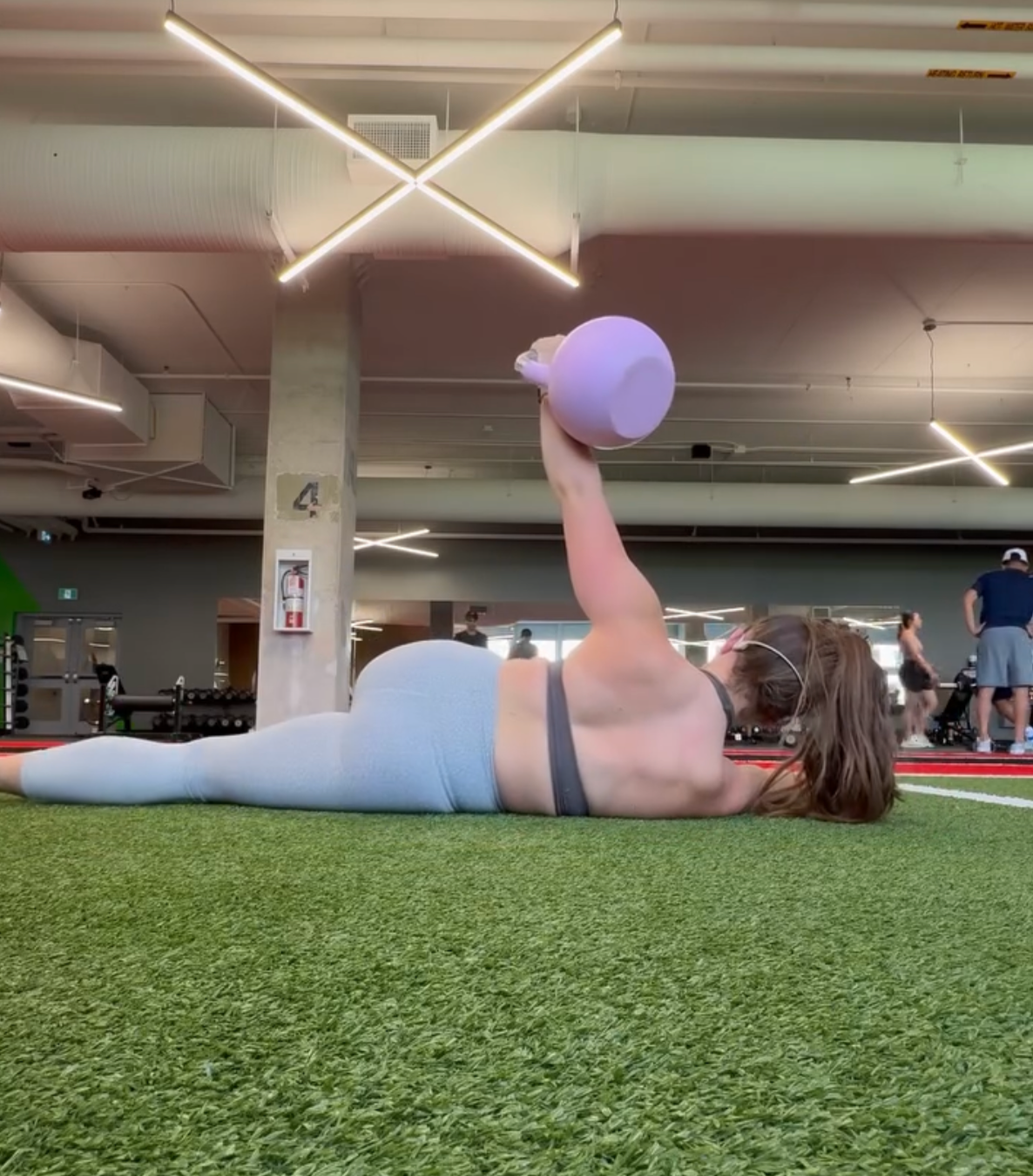
Strength
Then load it, a bit at a time.
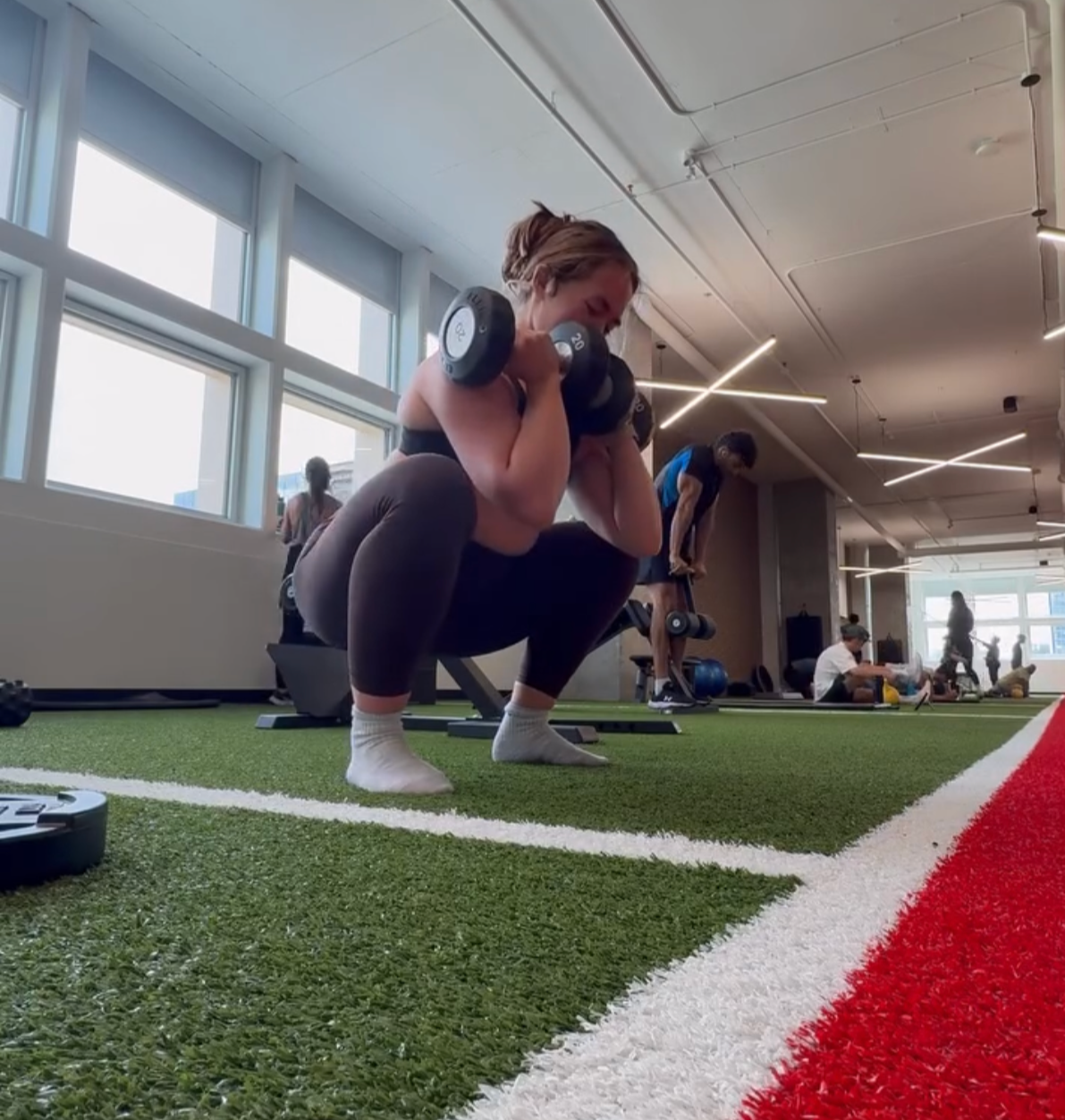
Once your foundation is solid, we start loading, a few exercises at a time. I don’t give you exercises before your movement mechanics are ready, because loading things up before your body can hold your joints is where a lot of the problems happen.
Power
Then bulletproof it.
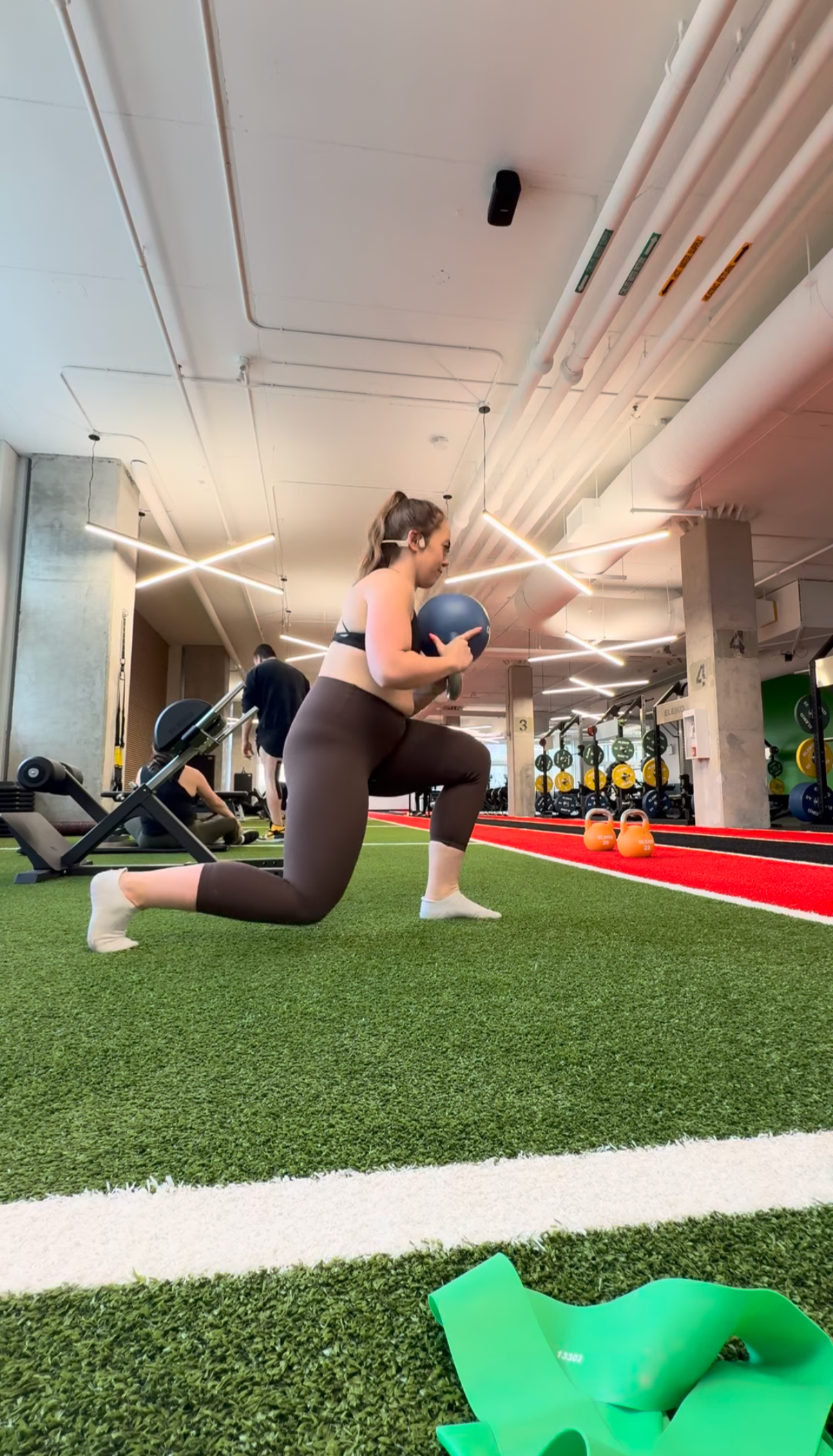
Swings and jumps come last, once you’re strong, so your body can handle the quick, unpredictable stuff in real life, like catching yourself on a trail, without you having to think about it.
The stability work never stops, though.
Even my clients who lift heavy still have side planks, single-leg work and breathing in their programs, because the pain tends to come back when it stops.
W H Y I D O T H I S
I’ve been the person nobody could figure out
I spent years getting injured, going from practitioner to practitioner, and doing everything I was told. I perfected my form. I did my rehab exercises. I rested when I was told to rest. And the pain kept coming back, and some of the treatment made my joints feel worse. When I got diagnosed with EDS and started addressing joint stability, and stopped trying to make everything more flexible, it was the first time any of it made sense. Nobody had been looking at the real problem.
Today I lift, run, cycle, and spend as much time outside as I can, and I'm not spending my weeks bracing for the next flare. My body didn't stop being hypermobile. I just finally learned how to build it.
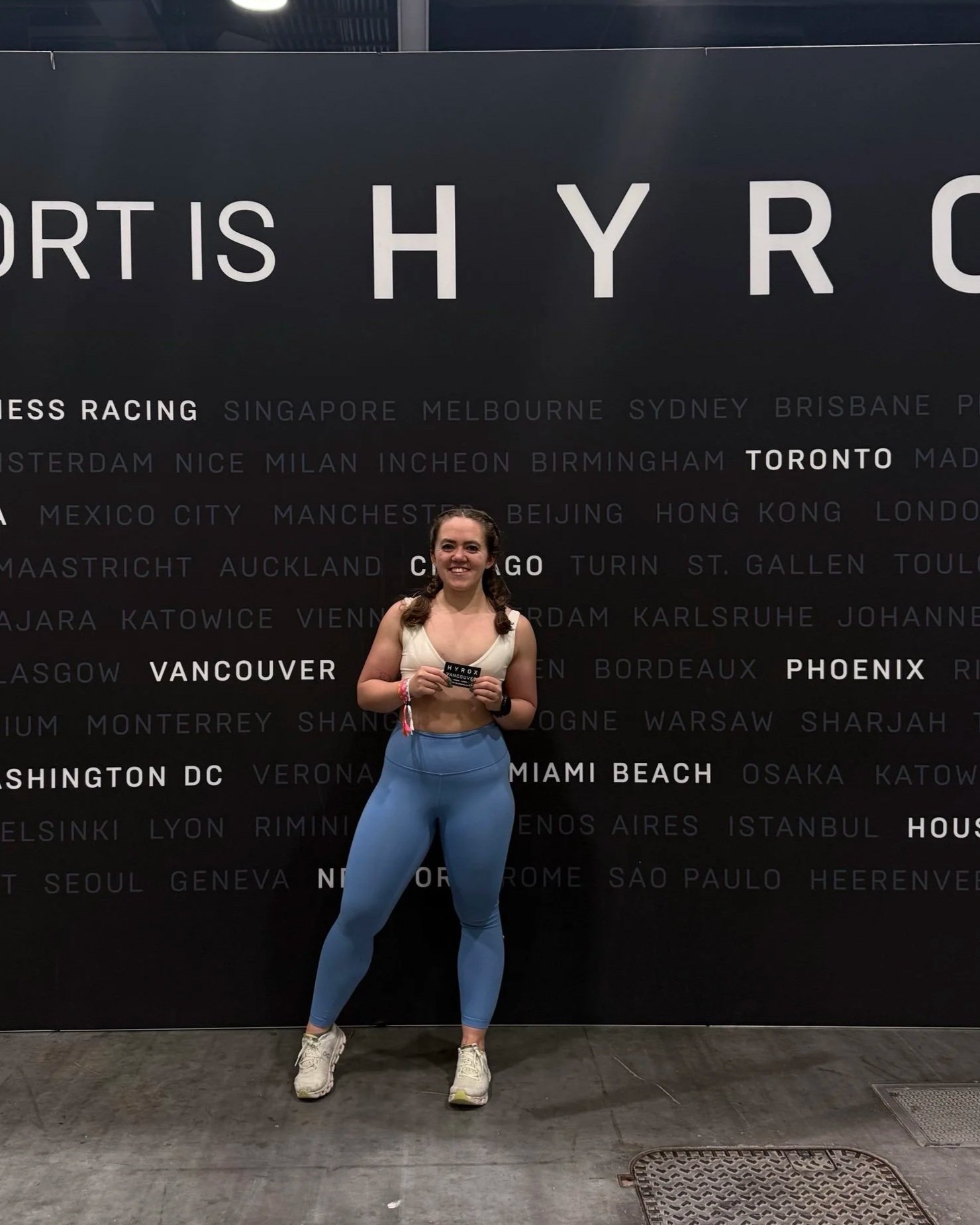
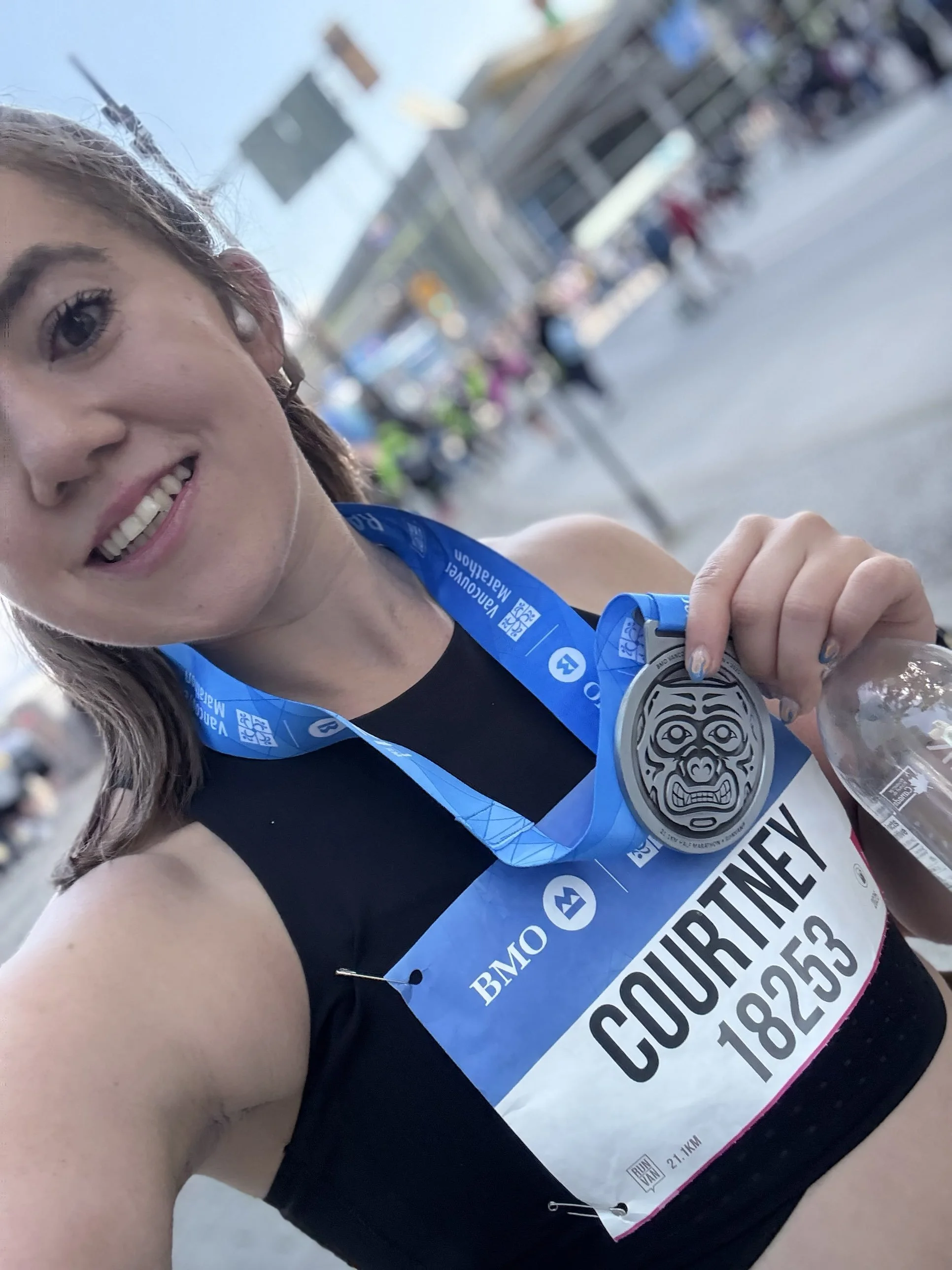
When I left commercial fitness, people kept finding me with the exact story I'd lived, and almost no one had answers for them. That's why I do this. I’ve been coaching for over eight years, and these days I work only with hypermobile people, bridging rehab and strength training for people whose joints move more than most. I'm a certified personal trainer and PPSC coach with over 40 certifications, but what matters most is that I've been exactly where you are.
I moved online because I found that in-person training wasn’t helping people get results long term, and my philosophy is to help people see long-term results, not short-term ones. I specialize in hypermobility because I had so many hypermobile people reaching out to me who couldn’t find the support they were looking for.
I want my clients to be able to go and push their body to the limit without living in fear. My dream is to help everybody not be scared of movement or scared of their body, and actually be able to lift at their full potential.

W O R K W I T H M E
“Courtney has been incredible at programming workouts that are tailored to me and fit into my actual life. She explains hypermobility without it being overwhelming, keeps me motivated and on track, and I’ve learned so much from her. My body is so much less painful and so much stronger. I can’t recommend her enough to anyone who’s hypermobile.”
Full Support Coaching
What people want from this isn’t complicated. They want to be moving well for the rest of their life. They want to reach their own potential without their joints being the limit. They want to say yes to things without working out what it’ll cost them first.
Pain is a part of life. But when you learn how to handle it, pain becomes a little blip instead of a big spiral.
This is ongoing coaching, not a program with an end date. We work in three-month blocks so you're committing to real progress instead of a quick reset. Most bodies like ours need six months to a year to get where they want to go, and once your foundation is in, there's no reason to stop building on it.
Price: $1,000 USD every three months
Renews automatically every three months. Cancel anytime with 30 days' notice.
What's included:
A full assessment of your history, symptoms, and movement
A recorded breakdown of your assessment, so you can see exactly what I found and why it matters
Custom programming in TrueCoach, with a video for every movement
A weekly video session with me, from home or from the gym
Direct support between sessions on Telegram
Form review and ongoing adjustments
The why behind every phase, so you understand your body instead of just following a plan
Looking for something lighter? Mention it in your application and I'll walk you through the options on our call.
F R O M P E O P L E I ’ V E W O R K E D W I T H
What changes when someone finally gets your body.
“I have hypermobility, and for a really long time when I’d have a flare in my neck and shoulders, the only thing that worked was lying down in a dark room and waiting it out. Stretching only made it worse. Courtney gave me exercises to strengthen my back and neck, and now when I flare up, I do those and I can actually feel the pain subside. All the right muscles are finally working to support my joints. I’ll always have some level of pain, but now I have tools to make it go away.” - Grace E.
“One of the biggest improvements since working with Courtney is my hip. It used to hurt after just a few hours of sitting, which was really frustrating and affected my whole day. Over time the pain slowly went away, and now it’s almost completely gone. The one time it flared up recently, Courtney asked me a lot of questions about what I’d been doing so she could understand what was going on and adjust my plan. I really appreciate how she bridges physio and working out, so I’m getting stronger and fixing my weak spots properly for the long term.” - Alex Y.
H O N E S T F I T
This works best for the right person.
This is for you if
You're hypermobile, diagnosed or not, and you want to get stronger, not just less sore.
You're coming out of physio, you're new to working out and nervous about getting hurt, or you've been working out for years and keep getting stalled.
You believe your body can get stronger, even if you don't know how yet.
You want to get back to doing the things you love whether that be running/biking/hiking, or being able to chase after your kids.
You want to understand your body, not just be handed another program.
You're in it for the long haul, not looking for a quick reset.
This isn't for you if
You’re looking for someone to manage your symptoms rather than help you build strength.
You’re not open to changing the things that are keeping you stuck.
You’re not willing to communicate with me. I can only adjust your program if you tell me how things are actually going, including the bad days.
You’re looking for a quick fix or a generic template.
B E F O R E Y O U A P P L Y
Common Questions
-
Yes, it's pretty much all I do. Every program I write is built around how your joints actually move, so we get you stable first and then start adding weight. That way getting stronger doesn't come with a flare-up every few weeks.
-
Yes. I have EDS myself, and hypermobile Ehlers-Danlos syndrome and hypermobility spectrum disorder are the core of my work. Whether you have a diagnosis or just know your joints move more than most people's, everything we do is built around how your body actually behaves.
-
t does, and honestly a lot of people do better with it. You train in your own space, on your own schedule, with a video for every exercise. We see each other on video every week, I watch your sets and tell you what to change, and you can message me whenever something comes up. I've got clients all over the world, and none of them need me standing next to them to make progress.
-
Then we adjust. Flares happen, especially when you've been dealing with pain that keeps coming back, and they don't mean you're failing or that you're starting over. You tell me what's going on and I'll change the plan so you can keep training around it. Most of the time a bad day means doing something different, not doing nothing.
-
No. Lots of my clients don't have one. Some figure out they're hypermobile while we're working together, and it finally explains years of injuries. If you read this page and thought "that's me," that's enough.
-
Yes. A lot of people come to me nervous, because they've been hurt before or because the gym has always felt like it was for other people. We start where you are and build from there. You don't need to be fit to start. You just need to want to get stronger.
-
Absolutely. I'm happy to work alongside your physio, and a lot of people come to me right as physio is wrapping up. Physio gets you out of pain. My job is getting you from there to strong.
-
No. Getting hurt doesn't mean lifting or running isn't for you. It usually means the foundation wasn't there yet. We build that first, then add weight, and we change things the moment something doesn't feel right. You don't have to give up the things you love.
-
Coaching runs in three-month blocks that renew automatically, and I'd plan on at least six months to a year. The first stretch is about building your foundation, and the months after are where it gets fun, because that's when you start going after the things you couldn't do before. You can stop anytime with 30 days' notice, but bodies like ours aren't a quick fix, and the people who stick with it are the ones who get the big results.
-
I read every application myself and get back to you within a day to lock in one of the times you sent. On the call we'll talk about what's going on with your body and what you want to get back to, and figure out whether coaching is the right fit. If it is, we'll get you started. If it isn't, I'll tell you, and I'll point you somewhere better.

A P P L Y
Tell me what's going on with your body.
You don't need to have it all figured out, and you don't need to explain it perfectly.
Just tell me what's been happening and what you want to get back to. I read every application myself.
If I can help, I'll tell you how. If I can't, I'll tell you that too, and point you somewhere better.
“The hardest part of finding a trainer when you have hypermobility can be deciding to trust somebody again. I have a long history of being harmed by physiotherapists and trainers who said they understood hypermobility but caused more pain. I started working with Courtney with some hesitation, and they were a pleasant surprise and a relief. I didn’t have to keep defending my experience as real or explaining why my body needs a different approach, so I could put my energy into the work instead. If past experiences have made you wary of trainers, I understand. Speaking for myself, I’m glad I gave Courtney a chance.” - Heather
N O T R E A D Y T O A P P L Y Y E T ?
The Things I Wish I'd Known About Hypermobility
Everything I wish someone had told me before years of injuries, dead ends, and practitioners who didn't understand my body.
If you've ever felt like nobody gets your hypermobility, start here. It's free, and it's the first step to building a body that feels strong, stable, and capable.
A short list of what's inside:
Why your tight muscles are usually weak ones, and why stretching keeps them tight
Why your joints can't always tell you where they are, and what to do about it
What "looks fine" in your workouts can hide
How to find the right intensity for a hypermobile body
Where to start